
Fat Loss Fundamentals

3124848496_334c931676I haven’t posted recently due to a busy easter period but the next article is a continuation of a series of posts on fat loss and removal. Fat loss is not just about doing lots of activity or going to weight watchers. It involves a number of complex processes that will result in a net burning of “fat.” It highlights why a bad diet doesn’t result in fat loss even if training regularly. It also highlights why fat reduction is reduced if activity is not prioritized.

Although I may be stating the completely obvious removing fat from fat cells so it can be used as energy is the emphasis of burning body fat.

The speed of this depends on the activity of hormone sensitive lipase (HSL) (which is partly regulated by the hormones insulin, testosterone, cortisol, estrogen, growth hormone and the catecholamine’s epinephrine and noradrenalin).

Primarily the catecholamine’s (transported in the blood) activate HSL in turn breaking down fat cells in to glycerol (a carbohydrate) and three fatty acids (the catecholamines include noradrenalin commonly referred to as adrenalin).

Glycerol can be used for energy as a carbohydrate; fatty acids can also be utilized for energy though interestingly they can also be restored by the body as part of a fat cell if not burnt as energy.

This process is called (re-esterification) which may happen if blood flow is sluggish.

The key regulator of HSL is a compound called cyclical adenosine monophosphate (cAMP).

When this is in abundance fat oxidation is increased.

In turn elevated insulin (which typically increases when carbohydrates are consumed) lowers cAMP slowing the rate of fat mobilization. cAMP is increased or decreased when the catecholamine’s bind to adrenoreceptors depending upon what receptors they bind to.

The two most important adrenoreceptors are beta 2 receptors (which will promote cAMP levels) and alpha 2 receptors (which will decrease cAMP levels).

As you can see catecholamine’s can promote and inhibit fat mobilization, though this is dependent on the other relevant relative hormone activity and the proportion and distribution of both types of adrenoreceptors in the body as to if there will be a net increase in fat mobilization.

As you can see at a cellular level there are a number of factors that increase or limit fat burning- focussing upon one part of this process does not necessarily mean long term fat burning- in fact it could mean the opposite.

With increased blood flow from increased activity the free fatty acids will bind with a substance in the blood called albumin and are transported around the body.

When energy is demanded by tissue such as muscles or the liver the free fatty acids can be burnt as energy after being transported in to the mitochondria (where energy is produced) helped by an enzyme called carnitine palmityl transferase (CPT).

CPT activity is moderated by your aerobic capacity and muscle glycogen levels- this indicates that that improved aerobic fitness is an advantage when looking to burn fat as well as glycogen depletion (minimizing the amount of stored carbohydrate in the body).

So what are the takehome points from this (obviously it may need a rereed- but if you can not be bothered then this is a shorter format).

Activity stimulates fat breakdown, energy demands will dictate how and where this fat is burnt, when dietary carbohydrates are low then fat burning is prioritzed). Exercise intensity needs to vary to alter the hormonal stimulus relating to fat burning though your fitness levels will dictate your fat burning “potential.” Simple!

The Science Behind a Short Term Lower Carb Diet

 The creation of energy involves a complex series of chemical reactions- in simple terms the macronutrients (carbohydrate, protein and fat) can all be broken down to make energy. It is important to note that both protein and fat are essential for energy production, growth and mainatainance of the body’s structures.
Why something happens in the body as a result of training and nutrition has always been the key factor when I look to access the best way that I work with people to reduce body fat. One such popular way is low carbohydrate dieting. Now lots of diets work for different reasons but in this post I wanted to examine why reduced carbohydrate intake is an effective dieting strategy as well as the science behind this approach.

Carbohydrate is the only macronutrient not essential for life though its role in the upkeep of a healthy metabolism means that severe restriction over a prolonged period is unadvisable. Carbohydrate is utilized through a process called glycolysis where after dietary carbohydrate is broken down to glucose it is available to be used for energy. Protein can also be utilized for energy from dietary sources as well by catabolism (breaking down) of lean muscle tissue in to amino acids that can be utilized as energy. This is not the body’s primary mechanism of energy as it involves a high amount of energy to breakdown protein; therefore carbohydrate and fat are the predominant sources of energy for the body.

When energy supplies become sparse in your bloodstream, the body detects this and fat reserves are utilized. The burning of body fat is traditionally termed oxidation as the body produces energy when fuel is reacted with oxygen to create energy. At rest and very low intensity exercise approximately 70% of the energy produced is derived from fats. Most tissues in the body can use triglycerides as an energy supply apart from the brain (though it can use ketones manufactured in the liver from triglycerides).

Under periods of sever calorie restriction (especially carbohydrates) production of ketones to use as fuel increases. When high amounts of fat is being broken down (usually due to severe calorie depravation) there may be no immediate use of these (this can be associated with an acidic smell or bad breath). This is important, as fat cannot be converted into glucose, but it can provide fuel for the muscle and brain in the form of these ketones- it shows that energy can be produced by the body when limited carbohydrate is unavailable. It also highlights that in the short term this can be an effective mechanism to invoke an increased rate of fat breakdown in the body.

The Myth of Functional Training For Sport


A lot of fitness trainer’s today talk about a concept called functional strength or functional fitness. In fact as a trend you could place it up there with Zumba for group exercise and low carb dieting for nutrition. In a lot of centres you will find “functional” training for everything from sports performance to fat loss. Functional Training and a lot of the core themes are more related to rehabilitation and in effect were invented by physiotherapists as a transition from injury back to full fitness- most people though are not injured.

The definition of “what is actually functional” is misunderstood by the trainer and therefore gym participants are even further away from the benefits. The general explanation would sound something like this, “Functional training works your core to improve balance and has transfer to what you do every day.”

Firstly, is this type of training effective and secondly is it relevant to actually getting individuals the results that they want. You cannot just call an exercise functional because it mimics a certain action or challenges balance.

When you compare it to training for sport (and at Results FAST we have a number of high level junior swimmers and tennis players) the question I ask is does it make the individual better at their chosen ability? Now when you break it down and write a strength and conditioning programme for a swimmer then you don’t necessarily want to mimic their sport. Why is this though? Well a lot of the time the key is to balance against the overuse of certain muscles in their sport keeping them in balance avoiding overuse. Emphasizing flexibility, mobility or stability instead of strength in certain areas. Before I explain why the logic behind functional training is flawed, let me say that this is not a personal attack on any of the fitness instructors who currently teach this method, nor anyone who believes it to be a worthwhile form of training. It is rather an objective look at the approach, which hopefully will stimulate some thought provoking discussions.

If you are experienced enough to have tried to get results with a broad range of training styles then you will realise that squatting on a bosu board or functional Vipr circuits are not really transferring the ability to perform better and are a distraction away from enhancing performance, they may “feel” hard but what is the transfer to performance apart from the drill you are performing? This form of training does not emphasise muscular strength, muscular endurance, flexibility or speed which are the fundamental facets of fitness. At best these methods are a vanilla form of training which will perhaps develop the abilities of inexperienced trainees but there is no transfer to enhanced performance.

When you do a needs analysis of any exercise ask if it is improving muscular strength, muscular endurance, flexibility or speed in the right areas for the right person. Performing circus style balancing acts is a regression in training. Analyse the drill and then consider if the exercise is truly functional to your goals.

Standing on the Shoulders of Giants: Ian King

Last Wednesday I attended a lecture by Ian King on Athletic Preperation Strategies for Elite Athletes given by one of the worlds best strength and conditioning coaches Ian King. Now Ian King is not a name that you may not have not necessarily heard. He isn’t quite as media friendly as a lot of other “expert” coaches as he more often then not speaks very straight and tells it as it is. No fads just the combination of 30 years of experience with a number of world class athletes and Olympians means that this guys opinion should be taken seriously. I first stumbled upon his work over ten years ago and put it this way- it is now just as relevant as what it was then.

A lot of the time it takes a duration for an industry to catch up with good practice, however the fitness industry tends to struggle with one major issue “over marketing” and the use of loose facts to drive fads and products. To say the focus of the day was on critical thinking of the “getting results” process was an understatement. Indeed by lunchtime I had started to scratch my head- in some sort of matrix style conundrum it was if everything was not as it seems. Now I could cover a large amount of detail from micromanaging squat form, basic core activation, trigger point release techniques but fundamentally the ultimate question was based around how do you know what you are doing is working and effective.

When you have a track record of 30 years at the top preparing international athletes who have taken medals at World Championships and Olympics you sit up and take notice. Indeed if you were looking for a coaches coach ahead of an ace marketeer then Ian King is your man. He isn’t a fan of vibration plates, high training volumes, standard gyms and the education the current fitness industry provides. He is a fan of reviewing what you do constantly and maximizing your results with simplification before advancement- indeed equipment wise it highlights the point that barbells and dumbbells will do most things well.

Without giving the whole talk away (as there are too many points to raise for a blog post) I will highlight my top 5 take away points:

1. Doing things in the right way at the right time are important. Maintaining your professionalism and your own personal ethics are key to being a good coach.

2. Flexibility is more imporatant for trainees (not just the elite). It is the most underlooked assett of fitness as it is the most undersold (you can’t sell too many £2000 treadmills that enhance flexibility). Joking aside flexibility is important and adding more repetition and strength on to already tight movements is what most “exercise” programmes do. Take a step towards flexibility and mobility and prioritze it in your workouts if it is lacking in certain areas.

3. As a follow on from that Ian emphasised the main components of “physical fitness” as flexibility, endurance, strength and speed. Most programmes emhaise strength inspight of the necessity of the other factors of fitness, indeed most training centres are set up this way. Having a better understanding of what constitutes balanced development whatever your goals are is the key to progression.

4. Every push exercise should be followed by a pull to balance the body to avoid postural dominance. Not exactly a ground breaking revelation for the way I have always written programmes however I just wanted to mention it to put another nail in the “chest and triceps” split programme that still dominates a lot od the fitness industry. Old school rules is not always a good thing!

5. The internet is a minefield of misinformation- choose your sources of information well. A lot of information is now very brittle in if it is actually fact. Many fitnss pro’s relay this informaton back to their clients with a definitive spin on the issue without necessarily knowing thay what they are saying is true. You see this more than often in nutrition as well where a certain food is demonized or prioritzed without looking at the bigger picture. Information now has the ability to travel quickly though it does not necesssarily this information is right- apply a filter to this and you will be in a lot better place.

Overall it was a great day hosted by Graeme Marsh and the guys at The Foundry so thanks to them for organizing.

Strength is a Skill…

In any physical endeavour the ability to perform at your best is oftren desirable. In fact challenging yourself to hit new goals be it pull ups, press ups or any exercise is pretty much the driving force of all the programmes I write. Even for those with the goal of just looking better if you are performing better and getting stronger then you are likely to be looking a lot better!

As a coach I always highlight to my clients that being involved in the process is the key. What I mean is that turning up, giving your best and being accountable for your own success (and failure) is the name of the game. Often people get too tied up in the process of overly focussing upon the result- a coaches is job is to worry about the results because as a trainer if we don’t get them then we can get the sack and are eating beans out of a can for the next month.

When it comes to strength training and developing your physical prowess then turning up for each session, focussing upon the process of mastering your goals and maintaining the motivation over a period of time will drive you to acheive your goals. Just with anything in life it takes practice to get better- indeed this is mentioned  in the books Outliers and Talent is Overrated that one of the fundamental driving forces behind success is hard work and commitment beyone what other people give over a period of time.

So if you want to master pull ups, press ups or run an ultramarathon the key to success is turning up and consistancy over a period of time. Rarely are there short cuts to long term low body fats or a “secret” way to remove your back pain. So when you assess your training goals remember that beyond anything you are mastering a skill and to do that you have to invest time in the process, if you do this the results will happen (Of course a focussed, motivating environment with coaches who have a track record of success will also help the process as at Results FAST!)!

Body Fat Distribution and Why Men Lose Weight Quicker Than Women…

The distribution of body fat varies between individuals and sexes.

Males typically distribute body fat around their midsection and back while females carry more on their hips, thighs and breasts. From a health perspective men are at more of a risk of heart disease due to increased volumes of visceral fat from their storage patterns. Hormones can have an influence upon the mobilization and distribution of fat around the body and although there are trends in the sex’s body fat distribution the deposition is generally individual varying from person to person.

As for removal body fat will be removed from certain areas ahead of others. Initially, visceral fat is removed as described before (possibly because of improved blood flow in the abdominal region where visceral fat tends to be deposited), hence the reason that males traditionally lose weight quicker than females.

Patterns of fat loss vary from person to person. Abdominal fat varies and traditionally reduces from the upper part of the abdominals before the lower part which is an area commonly referred to as “stubborn”. It has been hypothesised that fat loss can be targeted on certain areas dependant upon hormonal regulation- this currently though needs more ratification from research as a lot of studies are inconclusive, for the majority of people who do not have a clinically diagnosed hormonal imbalance though fat loss does not need to be confused with the use of expensive supplements.

Cellulite Removal- The Fact’s…

Sometimes it has been questioned that the appearance of body fat may vary. Cellulite is a skin alteration described as a ‘dimpling’ appearance on the thighs, buttocks and sometimes lower abdomen of otherwise healthy women and occasionally men. The outermost layer of skin is referred to as your epidermis under which is the dermis. These are thicker in men compared to women and for this reason uneven fat distribution is more visible in females compared to males. The dermis is filled with hair follicles, sweat glands, blood vessels, nerve receptors and connective tissue. Underneath the dermis is subcutaneous fat which as emphasised before is the main focus of a fat loss programme. Subcutaneous fat is further divided in three levels. The uppermost level of subcutaneous fat can sometimes be uneven causing a dimpling or uneven appearance on the epidermis.

Individuals who have more fat will have a greater chance of displaying cellulite though lean individuals may also show dimpling. As we age the skin and the connective tissue between the layers begins to loosen allowing stored adipose tissue to protrude in to the dermis. Limitations to fluid movement and drainage as well as limitations in blood flow may contribute to the appearance of cellulite although reasons for its predominance vary. Treatments such as liposuction which removes adipose tissue does not help the appearance of cellulite as the problem lies in the connective tissue and the way that the body distributes fat. Quite simply liposuction may make the problem worse.

Varied research exists for the treatment of cellulite. Aminophylline, caffeine and theophyilline are members of a group of biochemical’s known as methyxanthines present in many cellulite creams. These biological agents can enhance the body’s ability to breakdown stored fat when applied topically to the skin. Studies have shown a small reduction in thigh girth when using these creams. Varying other interventions such as herbal treatments and massage have been suggested as being beneficial though no discernable evidence exists for long term improvement of cellulite.

Types of Body Fat…

Fat cells are distributed all around the body and are not necessarily inert from a metabolism standpoint.

 Fat storage is defined in to the following categories:

Essential Body Fat       

This serves as a protection for organs, the immunity and inflammatory responses, the structure of hormones, insulation for nerves and the brain. This totals around 3% of body weight and is necessary for life.

Brown Adipose Tissue  

The main role of this is to provide heat. The amount of this found on the body is thought to be related to genetics. It is currently unclear how this type of fat relates to fat loss or gain though through thermoregulation it directly relates to how many calories we burn through the day.

White Adipose Tissue   

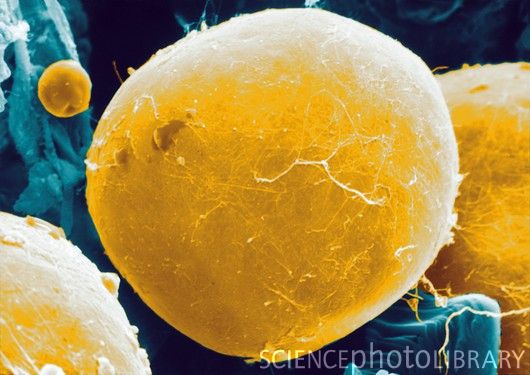
This is the primary type of body fat storage. These fat cells are composed of between 80% and 95% of lipid with the rest composing of water. They are made up of a molecule of glycerol bound to three fatty acids. Fat is a stored energy source and 1 pound of fat contains 3,500 calori0es (1 gram of fat contains 9 calories). In contrast the body at its maximum contains 500 grams or around 2000 calories of glycogen (which will not necessarily meet daily energy requirements). This is the target for those looking to improve their physiques.

The classification of body fat also depends upon its deposition site:

Visceral Fat                  

Sometimes referred to as internal fat, this type of fat is found around your organs. Typically, this is found around the torso and if found in abundance is termed central obesity. As well as the obvious cardiovascular health risks of central obesity this has also been linked to insulin resistance. This type of fat is mobilized as energy, has a better blood flow and is less effected by elevated insulin levels as it will not always stop releasing fatty acids during periods of high insulin (considered a problem from a health perspective). This appears to be mobilized more readily by aerobic exercise which will be discussed later. Typically this is packed around the organs. Individuals with high levels of internal body fat will not necessarily present as “fat.” It highlights though that thin does not necessarily mean healthy.

Subcutaneous Fat         

This type of fat exists under the skin and is the main emphasis of most fat loss programmes as it is the most prominent incorporating between 40 to 60% of your body fat.

In the next post I will discuss the disrabution of body fat and sex differences.