A Primer on Body Fat Metabolism: Fuel Usage…

As a continuation from previous posts to document best practice of fat loss training and nutrition we always feel it is best to educate first so people who train with us understand the principles of fat metabolism. To understand how to burn fat it is important to understand how it is stored. Fat cells are very well suited to energy storage though their role in their body is more extensive than commonly reported. They are not inert but perform a number of vital functions- body fat in fact is not necessarily bad in fact it plays a number of roles.

After absorption in to the blood stream dietary fat is broken down and packaged in to a structure called a chylomicron. Here it is absorbed in to the lymphatic system appearing in the blood stream around three hours after consumption. Some of this will be used for energy while some will be stored. This will be dictated by energy demands influenced in part by hormonal activity- simple so far!

 Fat cells are made up of a molecule of glycerol (a molecule of carbohydrate) combined with three fatty acids storing them as a triglyceride. When stored triglycerides are broken down it releases the three fatty acids and the glycerol in to the blood stream. 

Glycerol can be converted back to glucose(carbohydrate) in the liver and hence can be re-used by the body as a carbohydrate energy source. Glycerol comes from dietary carbohydrate or in periods where this is unavailable the body will convert other fuels (pyruvate, lactate and the amino acids (proteins) leucine and alanine).

What it is important to understand is that firstly the body will always find a fuel to use if it’s primary sources are not available. Secondly, the usage of these fuels is in a state of constant flux meaning that you don’t just burn fat or carbohydrates or even proteins- they are all used concurrently in different amounts. And thirdly, energy utilization is dictated by activity, current dietry practices (short and long term) as well as in part hormonal regulation.

In the next post I will describe the types of body fat we have and why certain body fat types are vital for our survival.

Fat Loss Optimization Introduction

From the number of clients who I have trained and advised it always bugged me that there currently is not one way of training or diet that is better than the other when considering fat loss. It is funny that I admit this now in the opening days of the New Year but consider the number of diet and exercise books, guides and DVD’s available for this topic.

What is displayedon thiks blog is what I believe current science supports as good advice and most importantly what has worked well for the people that I train. That is not to say this is a cutting edge approach or the newest sensation but this is a collection of science, practice and common sense applied in a useable format. The posts are to be read all the way through for a full understanding of the points.

Why you may ask? I feel as my primary role as a coach is to give you advice and guidance on your exercise and nutrition plan while helping you understand why you do something and the implications this will have upon your results. This topic is vast and I have added detail where necessary as fat metabolism and energy utilization is still a rapidly expanding area of research. If you are an experienced or motivated exerciser this provides a resource to design your own nutrition programmes. For all new readers and beginners to trying toi acheive the physique they want this will set out an approach to fat loss underpinned by the science.

An adage that someone said to me about giving training and nutrition advice which I feel will always hold true is that if you lose someone body fat, make them stronger or take their pain away they will train with you for life. As a trainer these are fundamentals to be adhered to as no one wants to always train fat, weak and injured clients (as it means your clients are not acheiving their goals) and in turn no trainee wants to be overweight, weak or suffering from injuries. This to a point explains my motivation for developing this text as a “go to” resource.

American trends commonly are repeated in the westernised world as you can see from talk of an “obesity epidemic.” In 2007 it was been estimated that Americans spent over $40 billion on diet and weight loss related supplements and products. The supplement industry generated $16.1billion in sales with over 20,000 different products consumed by up to 100 million people. There are now more obese people in the world than starving people. With an aging population and therefore a higher mortality rate the well documented effects of the slowing of metabolism with age highlights that strategies to promote healthy levels of body fat are important in obesity prevention. Twinned with a decrease in activity levels at school and with sedentary occupations elevating the chances of gaining weight it is clear that fat loss is a growing market.

Fat loss is an unregulated industry both in advice for exercise and nutrition filled with what could be considered bad science- just because a compound, food supplement or exercise intervention is involved in the metabolism of fat, supplementing with it massively or doing just one mode of exercise does not necessarily bring about long term sustainable results. This could be considered bad science as of thesed processes/ supplements are unproven- we may not understand the potential problems that may arise by their usage.

So why do we want to lose body fat? Usually it is for three reasons:

Aesthetics        

Simply to look good and show muscle definition. Society norms currently indicate that a low level of body fat is considered attractive in the westernised world so this is an evolutionary mechanism.

Performance     

Body fat is excess weight. More body fat equals a lower strength/ power to weight ratio which is undesirable for most sports persons unless weight plays an integral part of their sport- in this case it needs to be balanced.

Health              

The evidence is now overwhelming that obesity (defined as excessive storage of energy in the form of adipose tissue/ fat) has adverse effects on health. Obesity is associated with hypertension, hypercholesterolemia, non-insulin dependent diabetes mellitus (NIDDM), excess of certain cancers and a host of other medical problems. Thirty-four million adult Americans have a body mass index greater than 27.8 (men) or 27.3 (women) which is very close to a weight increase of 20 percent above desirable. When diabetes, hypertension, or a family history for these diseases is present, treatment will lead to benefits even when lesser degrees of obesity are present.

With a society gaining in body fat and the health implications related to this the fitness industry and its professionals are at the front line of this epidemic. By the time doctors pick up the problem often the damage has all ready been done and the health services are not equipped currently to deal with this issue. Doctors treat the problem but currently have their hands tied to deal with prevention- by the time someone gets to the doctors surgery the damage is already done. 

Science has been simplified in our consumer society by the media and other authorities in order to provide information to the masses. It can be a complex thing for a lot of people- it is not as simple as calories in and out.  

A health professional’s role in fat loss is to be outcome or result focussed for their clients goals. The achievements of the client should be behaviour and processed focussed- fat loss is as much a lifestyle goal as a training goal as this will promote long term adherence to dietary and exercise interventions which is at the core of the principles I believe in.
Building Training Programmes for Fat Loss: Part 1…

Lets face it personal training is expensive. Not only is it expensive but if you do a basic search for personal trainer in your local town they are on the increase. In my local town of Ware/ Hertford there appear to be over 20 trainers all plugging different approaches for fat loss from different diets to extreme exercise regimes. What works though? Well taking up your activity burns calories but what gets the best results. What follows are the three basic components of  a training programme.

Item 1- Aerobic Exercise.

This can be seen in the form of jogging or any other form of low to moderate cardiovascular exercise. Currently, this is a form of exercise deemed inefficient by the fitness industry for fat loss. The advantages are that it require minimal equipment and is the easiest to perform for beginners physically and psychologically. From a scientific definition point of view this may be considered to be working at a threshold of under 70% of an individuals VO2 Max. In some individuals this will be enough stimulus for fat loss as the intensity will be enough to cause an overreaching effect. In physically fit individuals this level of exercise may be considered extra activity and have to be performed for a longer duration to burn a suitable amount of fat. The negative implications for this are that the body adapts quickly to this level of intensity and therefore to elicit further responses exercise intensity or volume will need to be increased. From a hormonal standpoint excessive training volume may not be beneficial, this in line with not enough intensity to promote the hypertrophy of muscle mass can in effect decrease net metabolic rate as aerobic exercise if poorly prescribed can be anabolic in nature meaning that lean muscle tissue is broken down. This does to a point explain why new exercisers undertaking an exercise routine see decreases in weight followed by a plateau as the body adapts unless training volume or intensity is modified.


Item 2- Anaerobic Exercise.

This can be described as periods of high intensity followed by a rest period such as sprints or circuit training. This method is well used in the fitness industry and rightly so as it mixes periods of elevated intensity with rest in effect causing an acute overreaching effect in the exercise session which places the body under stress which it has to adapt to. Again anaerobic exercise is dependant upon the fitness of the individual being trained, the intensity that the individual is being placed and the period of recovery before the next interval. This type of training is very metabolically demanding and therefore it’s use in comparison to aerobic methods of training needs to be limited.


Item 3- Resistance Exercise.

Resistance training is hard to quantify as in effect everything is resistance training if you are moving your own bodyweight. Weight training in itself burns calories though not necessarily the same amount as anaerobic or aerobic training. The advantage of weight training is that it promotes the growth and importantly the maintainance of lean muscle mass which in effect keeps the energy demands of the body elevated. Methods including super setting exercises (pairing exercises performed one after the other) to be time efficient are useful as well as providing extra stress to the cardiovascular system.

Repetitions for each exercise of between 8 and 12 are effective for lean muscle maintainance. Rest periods should be around 30 seconds to 90 seconds as the muscular system is the main system to be fatigued and therefore full recovery is not necessary. If the desired response is to get stronger then performing 6 repetitions and below is the ideal rep range as there is a need here to challenge the nervous system. It is important for longer rest periods here to let the body recover fully.

Typically most programmes recommend one form of exercise to promote weight loss. This approach is in effect limited as variations in stimulus cause the body to adapt. Net fat burning in a session of exercise is dependent upon the cumulative intensity and volume of the session. At rest we are burning more fat proportionally compared to the other fuels in the human body. This is the same for low intensity exercise. During low intensity exercise calorific expenditure per minute of exercise can be around approximately 5kcals though net fat loss is higher if we work at a higher intensity as well as the net amount of other fuels that the body can use for energy. During intense exercise calorific expenditure per minute can be at 10kcals and above. Obviously intense exercise can not necessarily be maintained for long periods. Resistance training in it’s traditional form has a calorific expenditure between high and low intensity work. High intensity work and resistance training place a greater stress on the body and have a higher post exercise calorific burn compared to low intensity work.

The way these methods of training are combined depends on the individual but each of these items of training form the basic tool box for smart fitness training programmes.

4 Overated Exercises (And How To Make Them Better)!

What goes in an exercise programme is usually a mixture of opinion, fact and experience of the person writing that programme. Now that does not mean the more experienced you are the more relevant your exercise choices are. In turn qualifications mean nothing without practical experience. What follows are 4 exercises that you may commonly see on training programmes. In this post I will quantify why we programme them rarely or not at all and most importantly options to perform instead.


Tabata’s- Based on a protocol from a Japanese Sports Scientist, Tabata training seems now to include any form of short maximal intensity workload with short 10 second rest. When you look at the original paper that this type of training was coined from the workload has to be supramaximal (up to 170% of yourVO2 Max). It’s tough working that hard and a bit nasty- you can not last a long time working at these intensities. My issues are the fact that performing work for 20 seconds and resting for 10 seconds has all been coined “Tabata.” Simply you can not swing a kettlebell, perform bodyweight squats or burpee your way to this type of intensity. As well as this when being performed on the Treadmill, Rower or Bike you will see technical fatigue very quickly. If used at all the benefits of Tabata style training plateau after 3 weeks. The good side if used is that it can enhance VO2 Max and anaerobic capacity but should only be used as ashort term measure and most certainly is not the only form of cardiovasculkar training you should utilize.

Upright Rows- The old school body building classic to build up those shoulders. Now when you perform the upright row the shoulder joint internally rotates as well as flexes (turns inwards as the arm raises upwards). What happens here as you bring the arms up is that it closes the space in between your humerus and your acromium process (shoulder joint). In this area there is a large amount of musculature and connective tissue fitting in to the joint space. If this space is compromised and this tissue gets caught in that joint we may have an issue- shoulder impingement. It does have implications for those performing the Olympic Lifts though. Scapular position is vital and strong scapular retractors and depressors are vital for good performance. It also explains why they may be a step too far and too advanced for some individuals- especially if they are not using their lower body to generate enough force relying on the pull of the shoulders to elevate the bar. So what are the options for shoulder development and if necessary the Olympic Lifts? Well we are looking to work the shoulders so variations of dumbbell horizontal and vertical pressing (in those with stable shoulders) may be of use. With the Olympic Lifts if the shoulders need work postutrally then addressing mobility and stability with a suitable focussed programme may be the answer. This doent stop you looking at loaded jump based movements as an alternative as well as lower loading for squats and deadlifts and working on acceleration before returning to the O-lifts when structual balance is a lot more suitable around the shoulder.

Leg Extensions- Again, non-functional and unrelated to developing movement. The forces placed around the knee cap on a leg extension cause an increase in sheer force across the knee. As muscles develop in proportion to one another in a chain any form of dominance in one muscle group can cause postural imbalance and poor movement quality if performed over time. Single leg works multi-dimensional stability of the lower body- vital to move effectively and maintain good posture. Most people dodge it as it is tough- often we only do the things we are good at and leg extensions are an easy option for lower body training. Examples for other exercises include weighted lunges, step ups, single leg squats, heavy sled pushes/ pulls and single leg deadlift variations.

Ab Crunches- Ab crunches to end range flexion and extension are pretty much pointless for most individual’s that I work with. The reason being is that posturally most people do not need a shortened abdominal wall. If tight the rib cage is pulled down (towards the pelvis) it can affect breathing, round the upper back and in some cases be related to increased back pain as it will affect pelvic tilt. As an alternative we use a lot of side bridging drills, ab rollouts and sit to stand movements. This way we can challenge the dynamic nature of the abdominal musculature to resist against excessive force. As a point crunches do not give you a toned ab region. That is roughly about 80% diet related you won’t crunch your way to a six pack if your nutrition plan is not perfect. That also goes for any other “core” contraption.

Throw any others out there…. and feel free to disagree below!

3 Proven Supplements for FAST Fat Loss Results…

Supplements are a contentious issue when it comes to fat loss. Many products suggest rapid results and a fat burning effect but what really works? A lot of the time science and research is used to back up a lot of the claims of supplements. However a lot of these studies are animal based. Unsuprisingly rats do not have the same internal workings as a human though it has not stopped sports supplements companies marketing their products on patchy science.

What follows are supplements that have been shown clinically to have a net increase in metabolism and thus potentially enhance fat burning potential.

1. Caffeine- Yes, caffeine stimulates fat breakdown. How? Well, it stimulates catecholamine production which in turn increases the breakdown of fat cells. This in turn increases the availability of circulating fatty acids. These will be reabsorbed by the body if not burnt- if active though you can mobilize them for energy. This is what happens initially when we become active, caffeine gives us a shunt in the right direction a bit like exercise. One word of caution though you can become tolerant to the effects of caffeine as the receptors that are stimulated to break down fat by the catecholamines become less receptive with over stimulation (yet another reason that activity does not always denote increased fat burning… but that is another post). None the less if not overused it is a useful pre training supplement to help enhance training intensity.

2. Fish Oils- specifically Omega 3. If you consider the range of benefits of enhanced Omega 3 intake then I feel that they pretty much could acheive world peace within 6 weeks. In regard to studies clinically proven the metabolic enhancing effect of fish oils then  a study by Eric Noreen at the 2003 American College of Sports Medicine Annual Conference indicated that in individuals who supplemented with different fat sources. The fish oil groups saw daily resting metabolic rate increases of 141 to 448 calories, whereas the safflower group’s decreased (Safflower is predominantly Omega 6- common in most vegetable based cooking fats). As an added bonus, the fish oil group also lost a little bit of fat mass while gaining some lean body mas- it appears that all fats are not made equal. In relation to fat loss this clearly means taking fish oils and sensible fat intake may be all the difference in your nutrition and training programme.

3. Protein Supplementation. Now I include this here as still most people consider protein powder as a “supplement” whereas in truth it is a processed dairy product. Increased protein intake upregulates your metabolism increasing protein turnover and therefore enhancing metabolic rate. Now rather than suggesting increasing your protein intake this can be done with shakes or normal food). I want to question the quality of a lot of protein powders. Commonly, they are processed- not a bad thing all the time. Often though they contain a large amount of unnatural sweetners which can have as much as an insulin stimulating effect as normal sugar, not what you necessarily signed up for if you didn’t need the excessive insulin stimulation which can drive fat gain. The quality of the protein is another major question. A recent study found heavy metal contamination in a number of off the shelf protein powders. Again not what you signed up for. Quality though is a contentious issue when you are using a whey based protein powder as it is a dairy product- with a large number of people experiencing issues with lactose it may not always be the best choice escpecially if the source of the product has not been ideal. Vegeterian protein powders can be useful- hemp, pea and rice protein all contain amino acids- blends of them may be best though to get your full protein profile. In turn though if you want to focus purely on quality there are gluten and additive free whey proteins which are organically sourced which may be the  best option if your main issue is quality of the protein source that you are consuming.

All in all these supplements stand up in the research- that is in human research not rats!

Why Posture is Important: Part 3- The Lower Back…

The lower back is commonly the focus of “core” training and posture. With around 80% of individual’s experiencing some form of back pain it has become a massive focus for trainers more orientated towards rehab. With national health service initiatives running programs for lower back care for back pain resolution it is an issue for a large proportion of individual’s on a national level. 

A lot of training and rehab protocols focus specifically on this area and in some cases rightly so. If we have weak musculature supporting the lower back then injury and pain can become chronic. In turn though research shows that most back pain will resolve itself within 6 weeks regardless of any type of exercise intervention. This is partly due to the way we adapt to pain- if in discomfort we will aim to get the body pain free, this may mean changing the way you stand or perhaps perform a task. Often this position may not be posturally desirable and the body begins adapting to this new posture or way of moving taking you further away from a more biomechanically desirable posture.

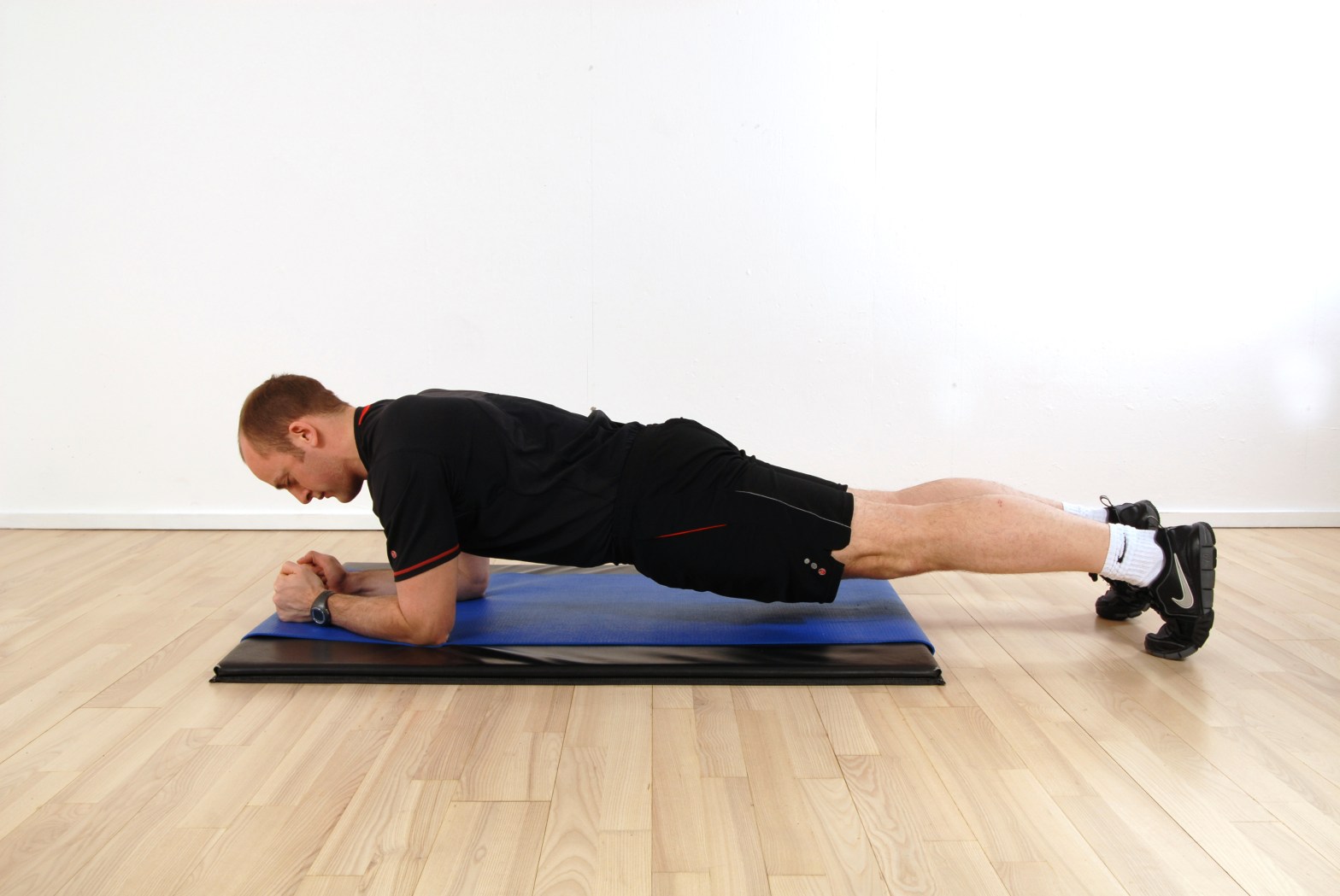
The lower back is an area that needs stability, the torso acts almost like a corset resisting the movement of the lumbar region keeping the area stable and actively promoting anti- rotation. While the spine is able to flex and extend as well as rotate performing this movements through a complete range of movement has been shown to be counterintuitive to spinal health, please note this highlights that end range of motion is the issue flexion, extension, lateral flexion and rotation are all performed daily and can be trained, the method of training though is the thing that needs to be questioned often. This has led to the prevalence of bracing style exercises such as the plank as an entry-level exercise which aim to provide stability in the core area… however, this may not necessarily be the good for everyone.

In the previous post I discussed that often hip position and pelvic tilt will play a role in lumbar spine position. If we take someone in to a plank based drill or indeed any exercise where there pelvic tilt is too extreme then we may be placing stress on the lower back. If we keep on addressing the lower back or core as the area of issue for training then we are missing the major player in why there is faulty alignment in the back in the first place. Effectively then we may be exaggerating the problem, creating poor movement quality as well as not necessarily resolving the back position issue.

This really highlights that exercise selection often needs to be relevant to the individual. Addressing an are of pain though does not mean “make that are stronger” or just “stretching it” sometimes it means taking a holistic approach to the body and especially with back pain considering the mobility and strength around the hip region and it’s influence on posture further up the chain of the body. This also highlights that while an exercise like a plank may help positive change in posture for someone else it may not, it also highlights that one exercise is rarely the answer and the whole training programme has to address these issues. This is also relevant for those looking to enhance their performance, strength or even speed. Simply said, just because someone does a certain exercise which gets them a positive result it doesn’t mean you will see the same benefits to performance uniformly. Or as sayings go “one man’s meat is another man’s poison” (N.B. I suppose you could replace meat with lunges or deadlifts or other exercises which some people love while other people resent).

Postural issue issues don’t necessarily refer up the body from faulty hip position the upper back and shoulders play a major role in posture which I will discuss in the next post.

Why Posture is Important: Part 2- A Crash Course in Hip Anatomy…

This is a follow on from Part 1 where we discussed the fundamental benefits of postural balance and keeping the spine in a neutral position. The concept often over viewed in most back care programmes and core training workouts is that specific postural issues such as pain, tightness or discomfort in movement are often not associated with spinal position.

The pull of the muscles around the hip and the shoulders have a profound effect on posture. This means that performing a lot of crunches, back extensions and unnecessary rotational work can be counter intuitive for those looking to reduce pain or get yourself back in to more optimal alignment where all the muscles are holding the body in the right way. Commonly, most core, posture or back pain programmes are combined with a lot of unnecessary lower back stretching. Hip, scapular and head position will dictate spinal position. Therefore trying to rotate the lumbar spine in to stretch for pain relief is not that clever. With only a total 13 degrees of rotation at the lumbar spine it highlights why unstable rotation combined with flexion (forward bending) is one of the major causes of disc injury.

So what can we do specifically around the hip area to relieve lower back pain and improve general posture to help improve balance further up the body? It is at this point it is useful to understand basic anatomy. The major muscles that act around the hip are the hamstrings which extend the hip and lengthen when forward bending from the hip. The gluteals which extend the hip as well as externally rotate the hip (turn the knees out) play a major role in movement as well as stability of the legs. The hamstrings and glutes are commonly termed hip extensors. If the hamstrings and glutes are tight we will see posterior tilt of the pelvis, often this will also present when someone stands up straight that they lock out at the knees. If both weak we will see anterior tilt of the pelvis, this is not to say they will not present tight in this case though- a lot of people will indicate they have tight hamstrings often though they have weak and inhibited muscles that are in major need of proper focussed training!

At the front of the thigh you have the quadriceps including rectus femoris which acts as a hip flexor (forward bending of the hip) as well as the iliopsoas group which play a role in lifting your leg up above 90 degrees- vital when sprinting… or indeed walking up stairs for those non-sprinters. The hip flexors can play a dual role in pelvic alignment if tight at the rectus femoris you may see a greater anterior tilt (forward) of the pelvis causing a bigger curve at the lower back. The psoas major plays a large role in anterior pelvic tilt also causing lumbar or lower back extension- which if excessively tight can lead to back pain from faulty spinal alignment. If the iliopsoas though are not strong enough to pick up the knees above 90 degrees then we may again see more of a flatter back posture which is commonly screened as tight hamstrings but may indeed be weak hip flexors. A lot of the time tight hip flexors or tight hamstrings are buzz word that is used by a lot of people who may not have assed hip flexor function properly.

The abdominals also play a role in hip alignment if they are tight they can posteriorally tilt the pelvis (flattening the back), if they are weak it can anteriorly tilt the hips sometimes placing strain on the lower back. If in anterior tilt the inner thigh muscles (the adductors) may present tight. We find this commonly in people with anterior tilt who are “front of the body dominant” as being opposed to having sufficient “posterior” chain strength. In laymen’s terms the front of the body is too strong for the back of the body.

In the next update we will look at building strength in to the right areas and strategies to improve postural balance.

Fast Snack for People in a Hurry!

Just a quick post this week. A lot of the people I work with tend to be time poor, often people are structured with their training but find that they struggle with organising their diet and preparing food. The following is a recipe for turkey meatballs which is high in quality protein, moderate levels of carbohydrate with a good fat content that can provide a staple for most meals or even a snack. They are easy to store and can be kept for a couple of days so are a good food to prepare at the weekend for the week ahead.

Let me know what you think as all ways!

Turkey Meatballs…

Ingredients:

1lbs Turkey- Minced (ideally organic or as good as quality as possible).

1 Cup of Rolled Oats. 

3 Eggs Seperated.

1tsp Ground Garlic.

1/2 Chopped Red Onion.

1/2 tbsp Dried Parsley.

3/4 tbsp Honey.

Olive Oil.


Here’s How to Make Them… Mix all ingredients together in a bowl. Form in to balls- the size depends on how many you want, this should stretch to about 20 golf balls. You can place them in the oven for 20-30 minutes or flatten them and grill evenly on both sides. You should get about 3 meatballs a serving.

For the guys interested in calories… This comes to about 170 to 200 calories. With 15-20g of protein, 13- 18g of carbohydrates and 5-10g of fat dependant upon serving size. 

When to eat? This can make a perfect snack food post training or with a plate full of vegetables as a lunch or evening meal. For those of you who need a bit of a “kick” chilli flakes can be added to the main mix.